
Freight Industry Outlook 2026: Agility Will Define the Winners
The global freight and logistics industry is entering 2026 under intense pressure from geopolitical disruptions, shifting trade dynamics, regulatory changes, and rapid technological transformation. What was once a market driven primarily by capacity and price is now evolving into a landscape where adaptability, resilience, and operational intelligence determine success.
A recent industry outlook published by Softlink Academy highlights how global supply chains are transitioning into a more fragmented and risk-sensitive environment.
Global Trade Growth Slows While Complexity Increases
Global Trade Growth Slows While Complexity Increases
One of the biggest themes shaping 2026 is the widening disconnect between economic growth and global trade expansion. While global GDP is expected to maintain moderate growth, merchandise trade growth is projected to slow significantly due to protectionism, nearshoring strategies, and shifting sourcing patterns.
Businesses are increasingly moving production closer to end-consumer markets, especially between Asia, North America, and Eastern Europe. This reduces long-haul freight demand while increasing regional and cross-border logistics activity. For freight operators, this means supply chains are becoming shorter, but operational complexity is growing.
At the same time, tariff volatility and new trade regulations continue to disrupt forecasting and planning. Importers and exporters are no longer building logistics strategies around stability — they are building around flexibility.
Geopolitical Risk Is Now a Daily Operational Factor
The report emphasizes that geopolitical tensions are no longer background concerns. They are now directly impacting freight costs, routing, insurance, and capacity planning.
Developments surrounding Venezuela, continued US-China trade tensions, and ongoing Red Sea security concerns are all reshaping global shipping networks. Ocean carriers continue rerouting vessels around the Cape of Good Hope, significantly increasing transit times and operational costs on Asia-Europe routes.
These disruptions are creating unpredictability in both ocean and air cargo sectors. Freight forwarders and shippers are increasingly prioritizing route diversification, alternative gateways, and regional distribution strategies to reduce dependency on vulnerable trade corridors.
Ocean Freight Faces Structural Oversupply
The ocean freight market in 2026 continues to struggle with a major supply-demand imbalance. Global container fleet growth is significantly outpacing cargo demand, placing downward pressure on freight rates.
In response, shipping lines are aggressively managing capacity through blank sailings, slow steaming, and strategic vessel deployment. These tactics aim to stabilize pricing and avoid a repeat of historic freight rate collapses.
The Asia-Europe trade remains particularly sensitive due to Red Sea disruptions, while transpacific trade dynamics are shifting as carriers redeploy vessels between the US West Coast and East Coast markets.
Latin America is emerging as a major growth area, especially with record soybean exports from Brazil driving increased demand for bulk and container logistics infrastructure.
Air Cargo Remains Resilient
Unlike ocean freight, air cargo enters 2026 with relatively stronger fundamentals. Demand continues to be supported by cross-border e-commerce, high-value electronics, semiconductors, pharmaceuticals, and time-sensitive cargo.
The continued growth of platforms such as Shein and Temu is sustaining strong air freight volumes between Asia and global consumer markets. At the same time, aircraft delivery delays at Boeing and Airbus are restricting capacity expansion, helping maintain stable air cargo yields.
For logistics providers, this creates opportunities in specialized cargo handling, premium express services, perishables, and high-value supply chains where speed and reliability remain critical.
Technology Is Moving From Automation to Intelligence
The logistics industry is rapidly transitioning from basic digitalization toward intelligent automation. Artificial Intelligence is no longer limited to reporting and forecasting — it is increasingly becoming operational.
Modern AI-driven systems can now optimize routing, dynamically manage spot freight pricing, forecast warehouse activity, and automate shipment decision-making in real time.
Warehouse automation is also accelerating. Autonomous Mobile Robots (AMRs), robotic sorting systems, and smart inbound logistics solutions are becoming standard investments for operators seeking productivity improvements and labor efficiency.
Meanwhile, autonomous trucking is beginning commercial deployment in parts of the United States, signaling a major long-term transformation in surface transportation economics.
Sustainability Compliance Is Becoming Mandatory
Sustainability is shifting from a corporate branding initiative into a core operational requirement.
The expansion of the EU Emissions Trading System (EU ETS), FuelEU Maritime regulations, and Digital Product Passport (DPP) frameworks are creating new compliance obligations for carriers, freight forwarders, and shippers.
Companies are increasingly expected to provide transparent emissions reporting across entire supply chains, including Scope 3 emissions. Logistics providers unable to deliver accurate emissions data may risk losing access to major global clients.
At the same time, Sustainable Aviation Fuel (SAF) and renewable diesel adoption are expected to increase operational costs across the transport sector, introducing additional surcharge structures into freight pricing.
Regional Logistics Hubs Continue to Emerge
Several emerging regions are positioning themselves as future logistics powerhouses:
- Southeast Asia continues benefiting from supply chain diversification away from China.
- Mexico is rapidly strengthening its position as a nearshoring hub for North America.
- Middle Eastern logistics hubs are investing heavily in digital infrastructure and trade connectivity.
- Africa’s AfCFTA framework is opening new regional trade opportunities and transport corridors.
These developments indicate a growing shift toward multi-regional supply chain ecosystems rather than reliance on single global manufacturing centers.
The Future Belongs to Agile Logistics Providers
The key message for 2026 is clear: operational agility has become the most valuable asset in logistics.
Freight companies that can quickly adapt to geopolitical changes, shifting trade lanes, digital transformation, and sustainability requirements will gain a major competitive advantage. Traditional “set-and-forget” logistics strategies are rapidly becoming obsolete.
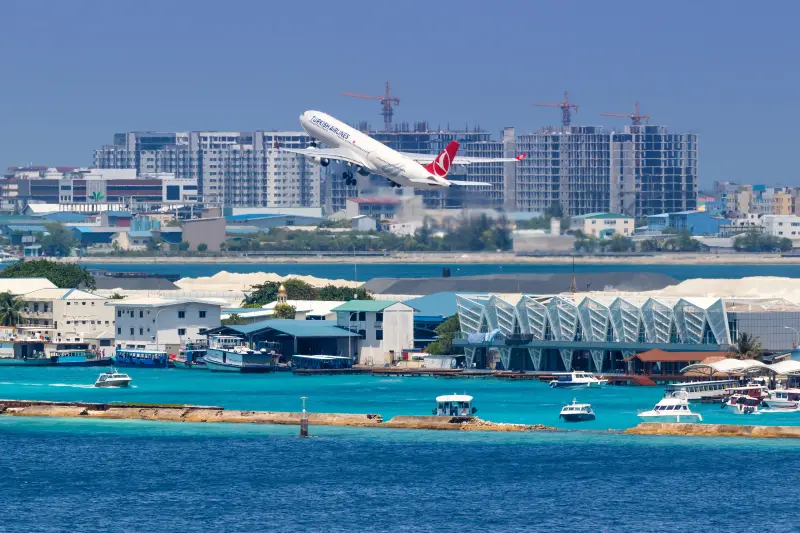
For logistics providers in emerging hubs such as the Maldives, this evolving environment creates opportunities to position strategically within regional transshipment, air cargo, perishables, and specialized logistics markets.
At Skylane Holdings, we believe the future of logistics will belong to operators who combine operational flexibility, strong regional connectivity, digital intelligence, and customer-focused execution.
Source reference: Freight Industry Global Outlook 2026 by Softlink Academy.